
Hohner Pianet N IIvsHohner Pianet T
Summary
Hohner Pianet N II and Hohner Pianet T: 2 Hohner electric pianos compared side by side. They differ on 6 of 10 compared specifications.
Key differences
- Keys: 61 on the Pianet N II and 60 on the Pianet T.
- Released: 1968 on the Pianet N II and 1977 on the Pianet T.
- Keybed: 61 lightly sprung unweighted keys, F1-F6; each key lifts a pad off its reed rather than striking it on the Pianet N II and 60 lightly sprung unweighted keys, F-E; each key lifts a pad off its reed rather than striking it on the Pianet T.
- Sound engine: Electro-mechanical: a sticky leather pad lifts off a ground steel reed as the key is pressed, plucking it, and the vibration is read by a variable-capacitance (electrostatic) pickup. There are no dampers, so a note rings until the pad drops back onto the reed. on the Pianet N II and Electro-mechanical: silicone pads pluck rolled spring-steel reeds, read by an electromagnetic pickup. Warmer and softer than the sticky-pad models, and far less temperamental, because the pads do not perish. on the Pianet T.
- Polyphony: Full polyphony (61 notes) on the Pianet N II and Full polyphony (60 notes) on the Pianet T.
Both are the same on tone source (Reeds) and key action (Synth-action).
| 2 items | 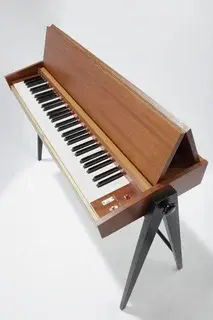 Hohner Pianet N IIDiscontinued 1977 | 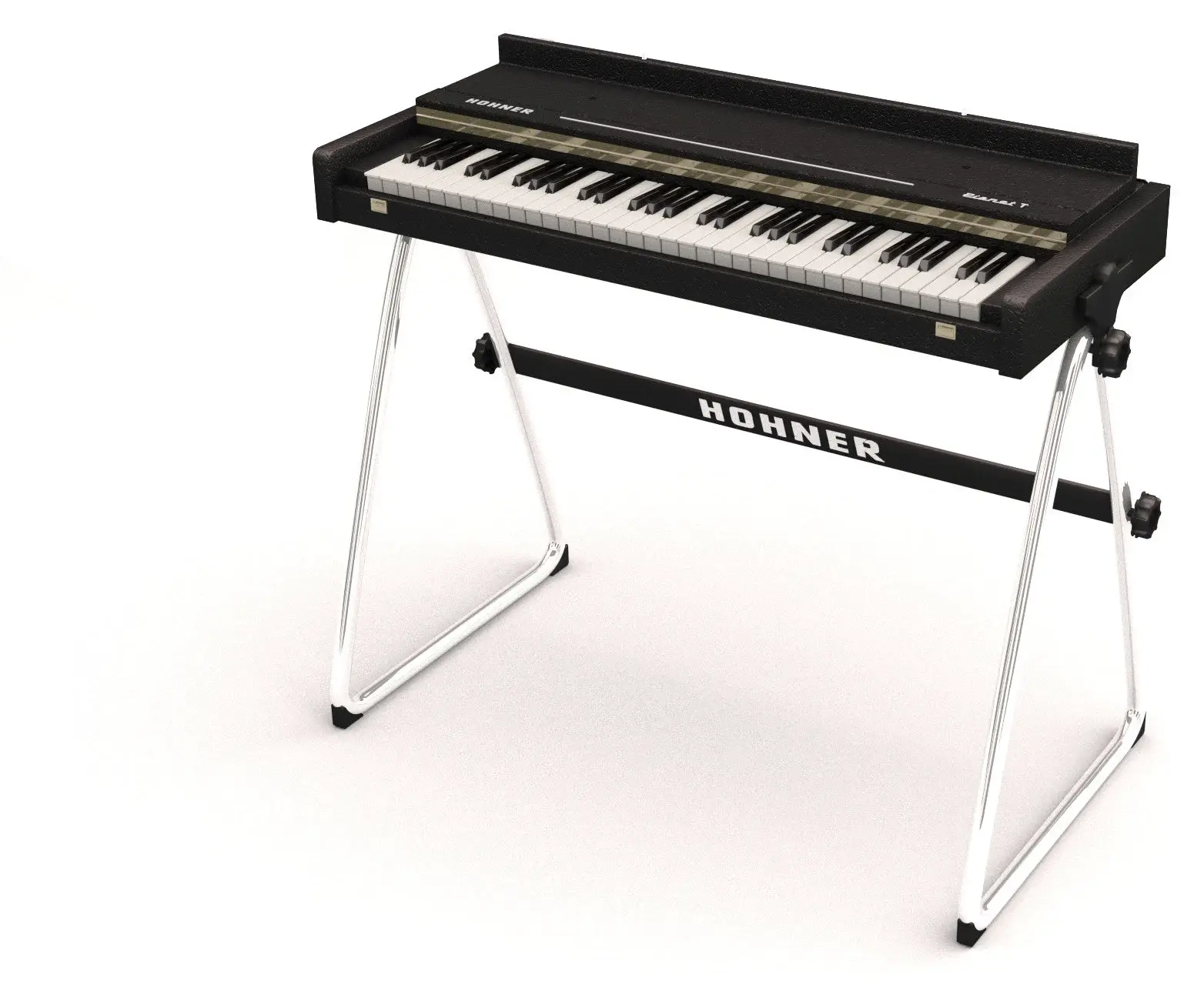 Hohner Pianet TDiscontinued 1983 |
|---|---|---|
| General | ||
| Manufacturer | Hohner | Hohner |
| Status | Discontinued | Discontinued |
| Released | 1968 | 1977 |
| Keyboard | ||
| Keys | 61 | 60 |
| Key action | Synth-action | Synth-action |
| Aftertouch | None | None |
| Keybed | 61 lightly sprung unweighted keys, F1-F6; each key lifts a pad off its reed rather than striking it | 60 lightly sprung unweighted keys, F-E; each key lifts a pad off its reed rather than striking it |
| Sound | ||
| Tone source | Reeds | Reeds |
| Sound engine | Electro-mechanical: a sticky leather pad lifts off a ground steel reed as the key is pressed, plucking it, and the vibration is read by a variable-capacitance (electrostatic) pickup. There are no dampers, so a note rings until the pad drops back onto the reed. | Electro-mechanical: silicone pads pluck rolled spring-steel reeds, read by an electromagnetic pickup. Warmer and softer than the sticky-pad models, and far less temperamental, because the pads do not perish. |
| Polyphony | Full polyphony (61 notes) | Full polyphony (60 notes) |
| Features | Vibrato, Folding lid, No sustain pedal | Passive, no power needed, Silicone pads that do not perish, No sustain pedal |
| Connections | ||
| Outputs | 1/4-inch unbalanced | 1/4-inch unbalanced |