
Setup guide
PA for solo artists and duos
What a solo act or a duo actually needs to be heard at a gig: getting backing tracks off a phone, how many mixer channels you need, column arrays against battery speakers, how big a PA for which room, and three shopping lists.
Updated 8 October 2026Portable PALive Hosts
Most solo and duo gigs happen in rooms with no house PA and no sound engineer: a pub corner, a café, a function room, a wedding drinks reception, a street. You bring the sound system, you set it up in fifteen minutes and you mix yourself while you play. That changes what makes a good PA. Loudness matters less than how many things you can plug in, how good it sounds at the back of a small room, and whether one person can carry it from the car in one trip.
This guide works through it in the order you would plug things in: the sources (mics, instruments and backing tracks), the mixer that combines them, the speakers, and then how to set it up on the night. Every system mentioned is in the Portable PA category, where you can filter by mixer channels, battery and weight.
What you are plugging in
Write down everything that needs to come out of the PA. For most acts it is a short list:
- Vocals: one mic per singer, almost always a dynamic mic such as a Shure SM58, which needs no power. A condenser mic needs phantom power from the mixer.
- Acoustic guitar or bass: into a high-impedance instrument input (often marked Hi-Z or with a guitar symbol), or through a DI box or preamp pedal into a mic input.
- Keyboards: most give a stereo pair of line outputs. You can run just the left (mono) output into one input, or use two inputs or a stereo channel to keep the stereo spread.
- Backing tracks: from a phone, tablet or laptop, as a stereo signal.
- Interval music: the playlist between sets. Bluetooth is perfect for this.
Count the inputs. A singer-guitarist with backing tracks needs three: mic, guitar and a stereo line input for the tracks. A duo with two singers, a guitar, a keyboard and tracks needs five or six. That number decides what sort of PA you need more than anything else.
Getting backing tracks out of a phone
A phone's headphone output is a perfectly good source for backing tracks, as long as it reaches the mixer as a line signal. The simplest reliable chain is a cable, not Bluetooth:
- If the phone has no headphone socket, use the maker's own USB-C or Lightning to 3.5 mm adapter. Cheap ones often hum or drop out.
- Run a 3.5 mm stereo jack to two 1/4-inch jacks (or two RCA) cable into the PA's stereo line input, or into two line inputs panned left and right.
- Set the phone's volume to around three-quarters and do the rest with the mixer's gain. Full volume on a phone often distorts.
- Put the phone in aeroplane mode with notifications off. A text alert through a PA in the middle of a ballad is an experience everyone remembers.
- Turn auto-lock off, or use a backing-track app that keeps the screen awake, and plug the phone into a charger.
Bluetooth works for backing tracks but is the weakest link in the chain: it can drop out if someone walks between you and the speaker, it adds a small delay, and pairing can fail when you are short of time. Keep it for interval music. If your tracks run from a laptop alongside keyboard sounds, a live host such as MainStage or Gig Performer® plays them as part of each song; see MainStage and Gig Performer®: the basics.
Built-in mixer, or a separate one?
Nearly every portable PA has a small mixer built in, with a volume, some tone control and often reverb for each channel. If your input count fits it, use it: it is one less box, one less power lead and one less thing to forget.
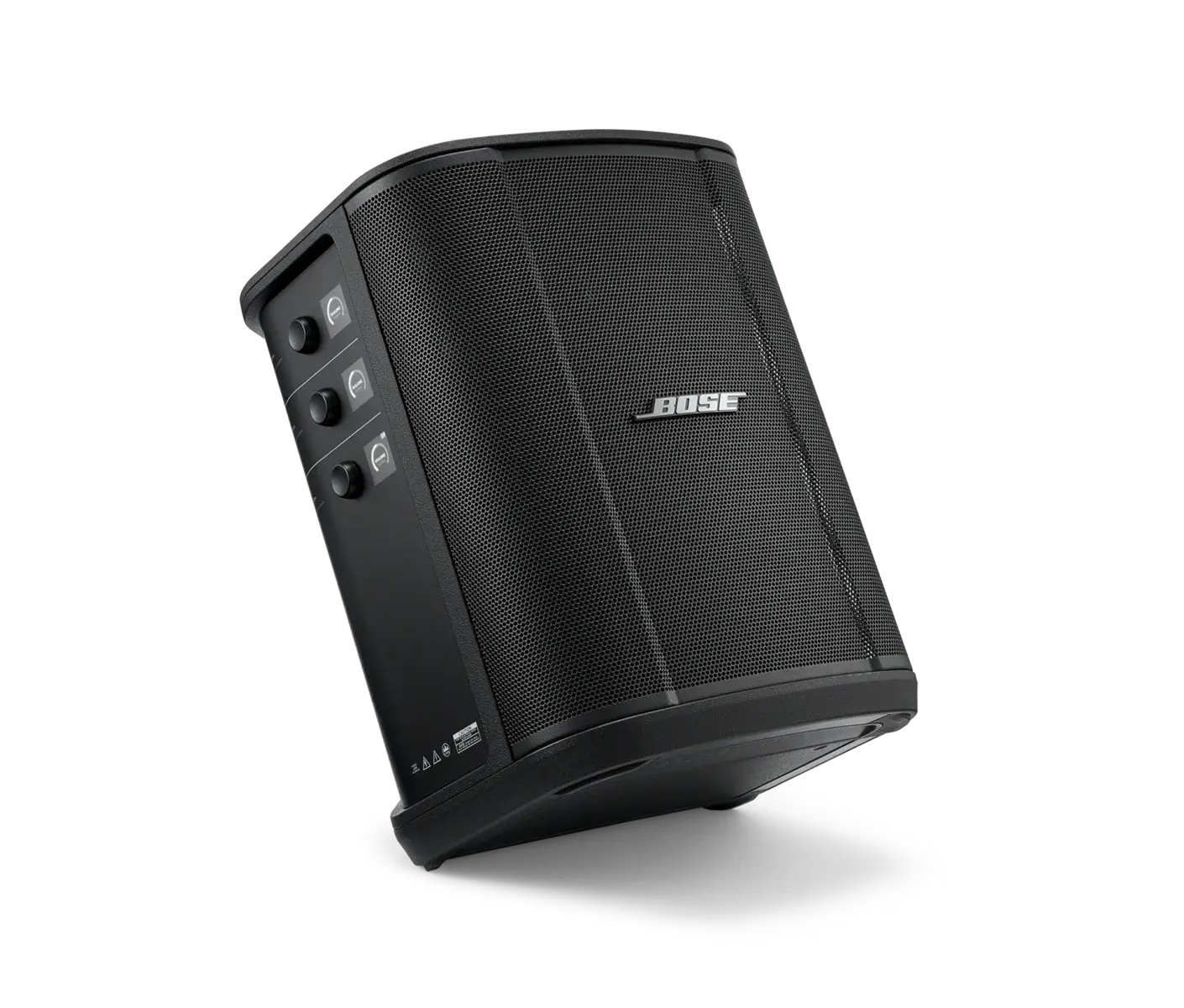
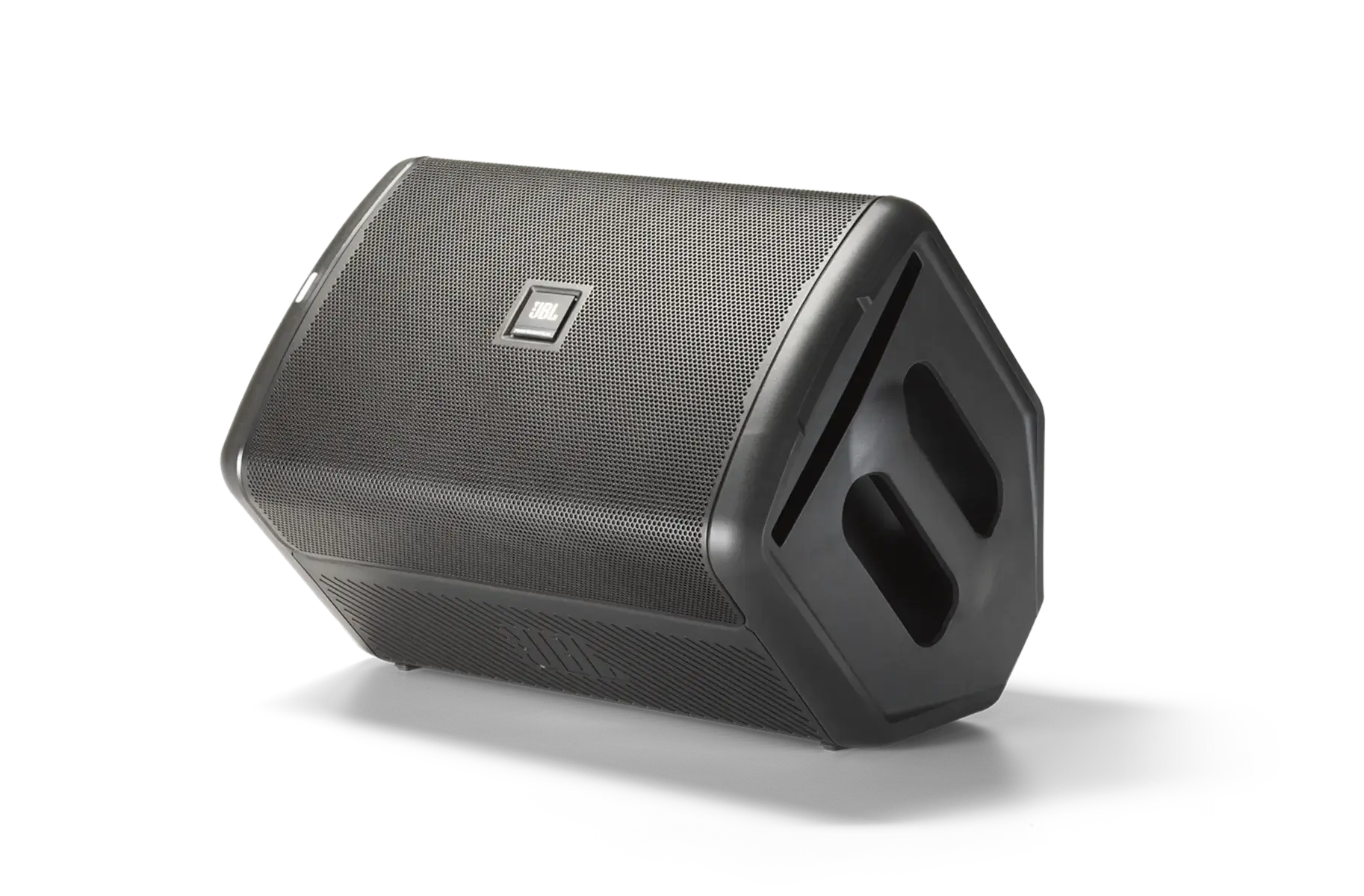
- Two or three inputs (solo singer with guitar or keys and tracks): almost any column or battery PA. The Bose L1 range and S1 Pro+ have three channels; the JBL EON ONE Compact and LD Systems MAUI 5 have four.
- Five to eight inputs (a duo): look for a bigger built-in mixer, such as the RCF EVOX JMIX8 or Electro-Voice EVOLVE 30M and 50M (eight channels), the Yamaha STAGEPAS 600BT (ten) or the JBL PRX ONE (seven).
- More than that, or two singers who each want their own reverb and EQ: a separate compact mixer on a table or mic stand, into one line input on the PA. You also get somewhere to plug a monitor or in-ear system.
Column, all-in-one or battery?
Three kinds of system cover nearly every solo and duo gig.
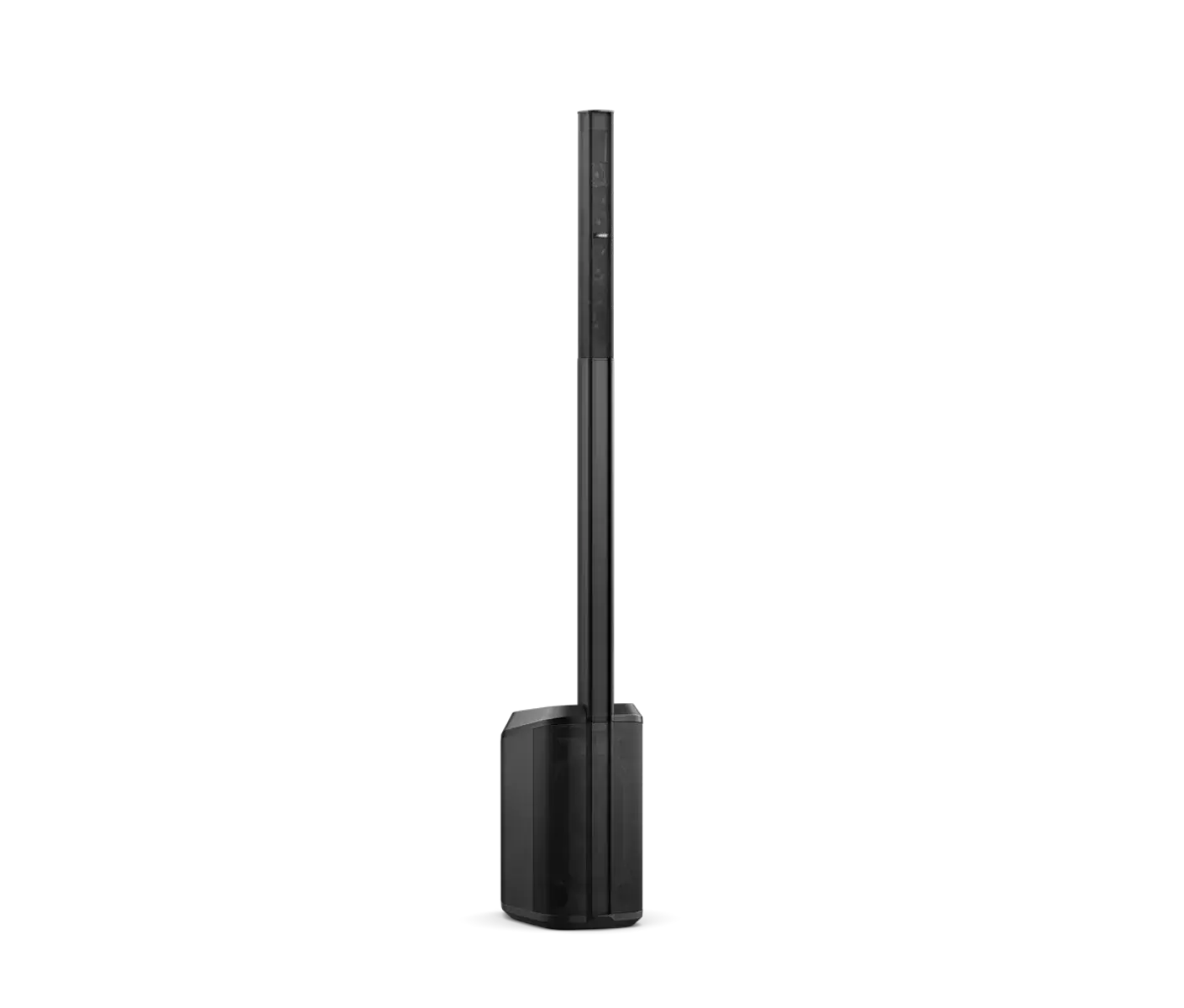
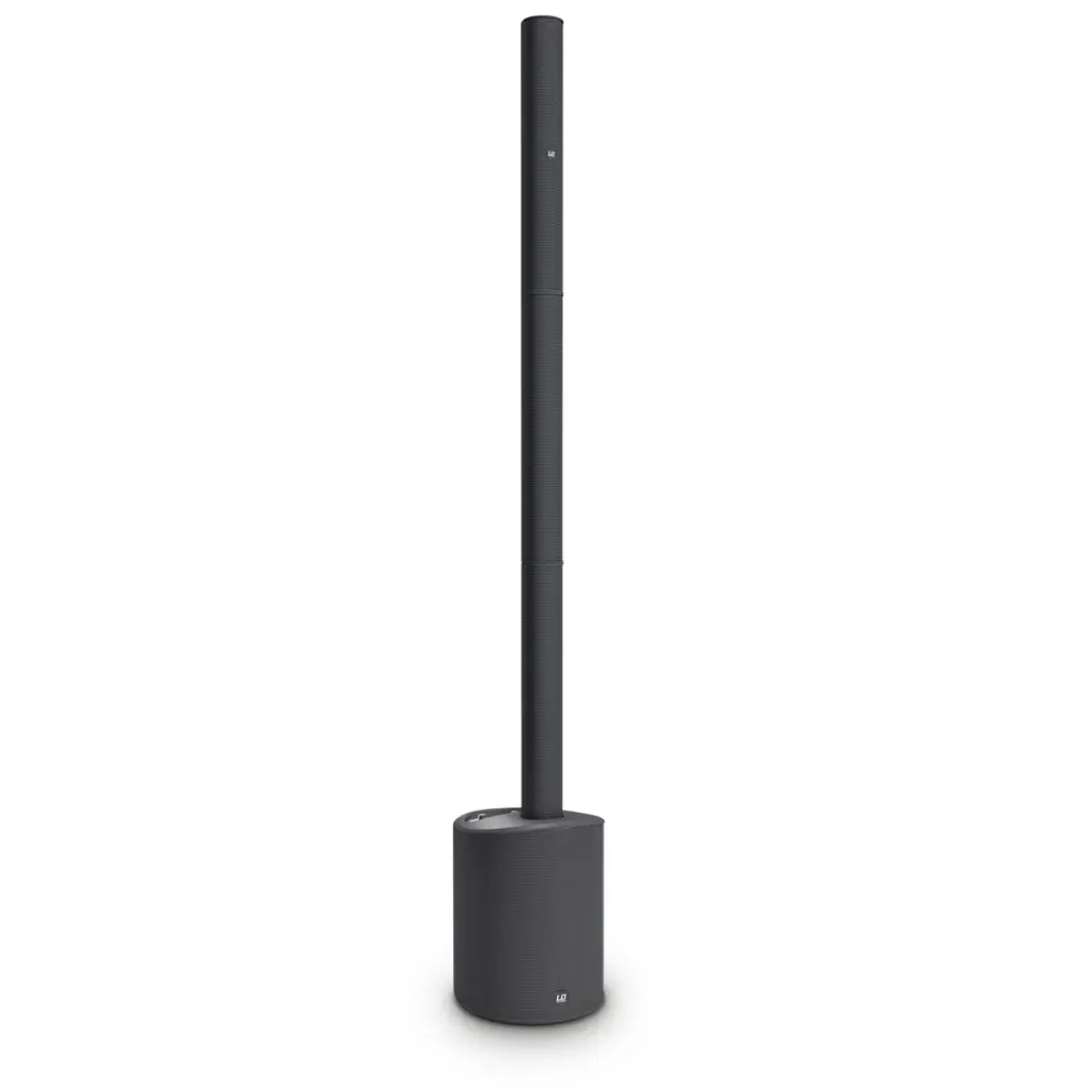
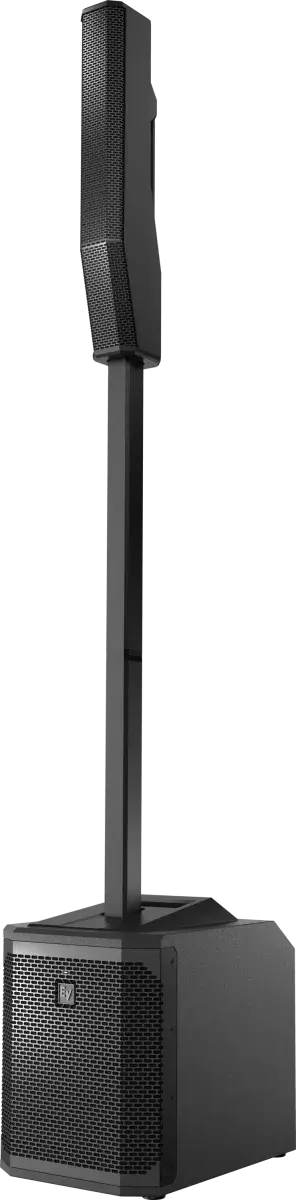
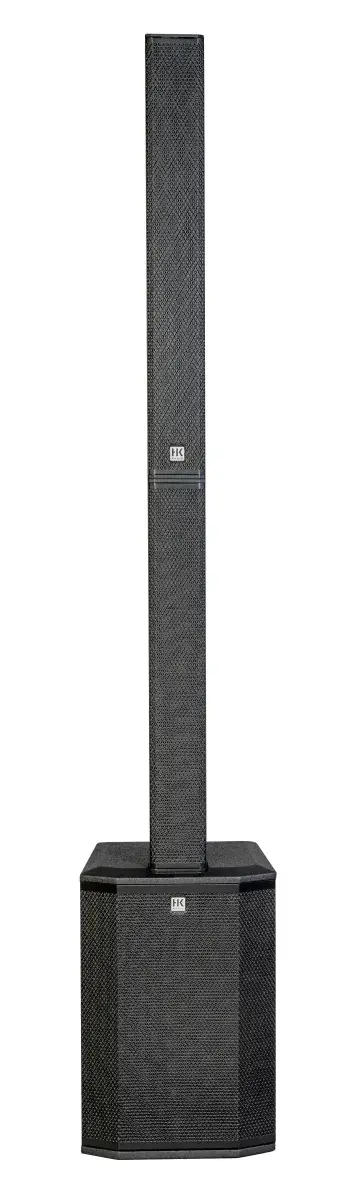
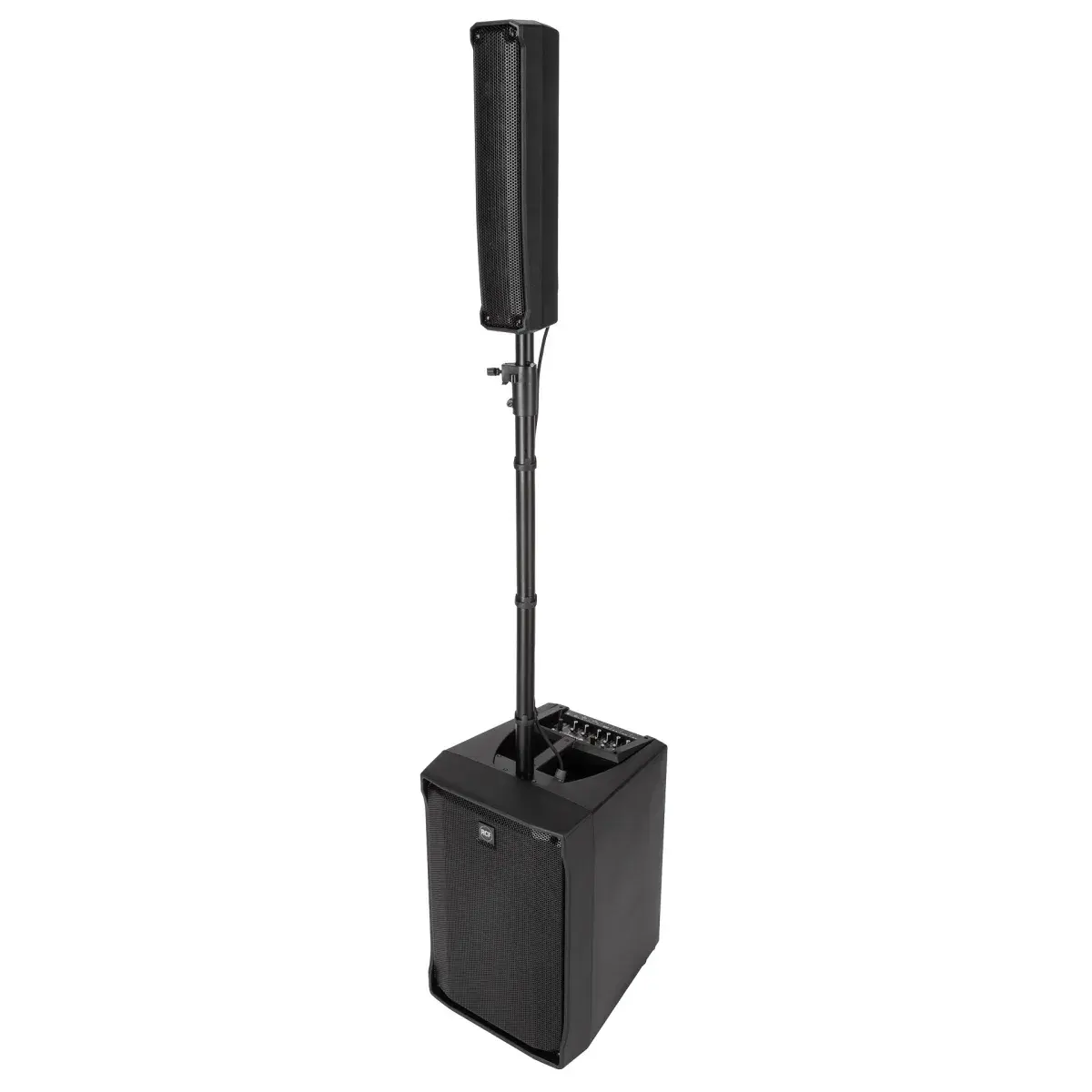
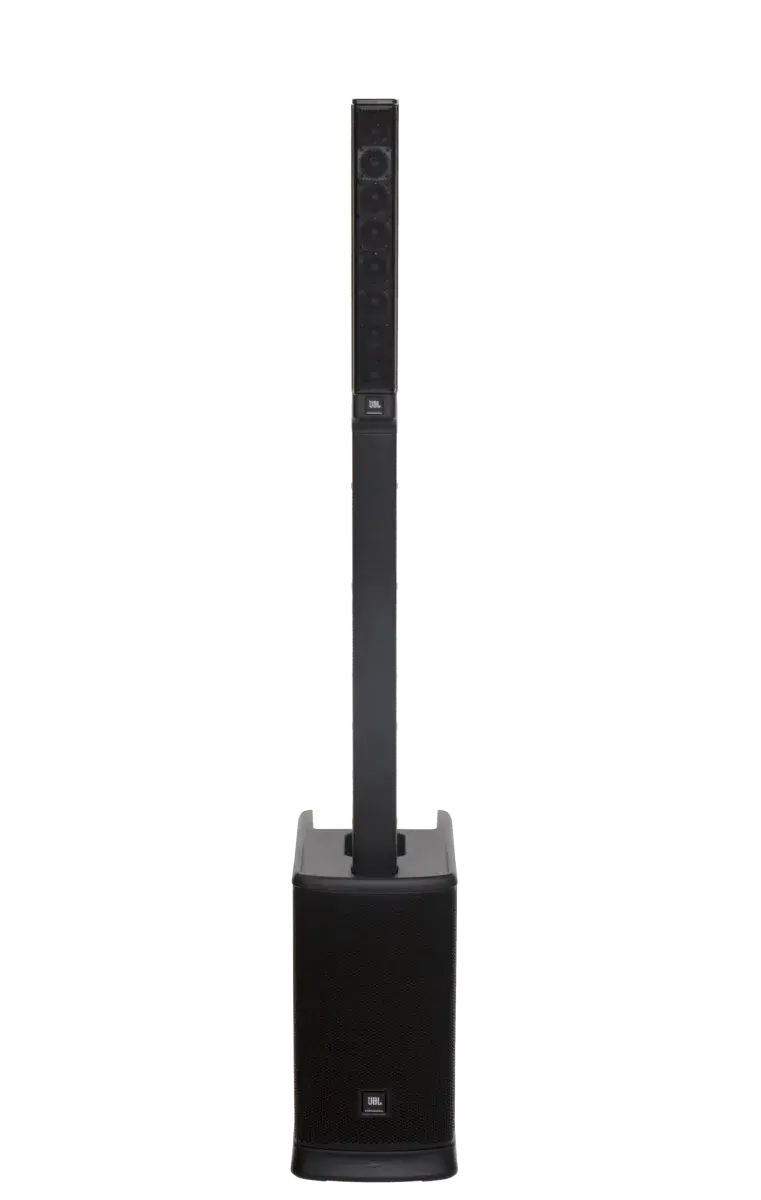
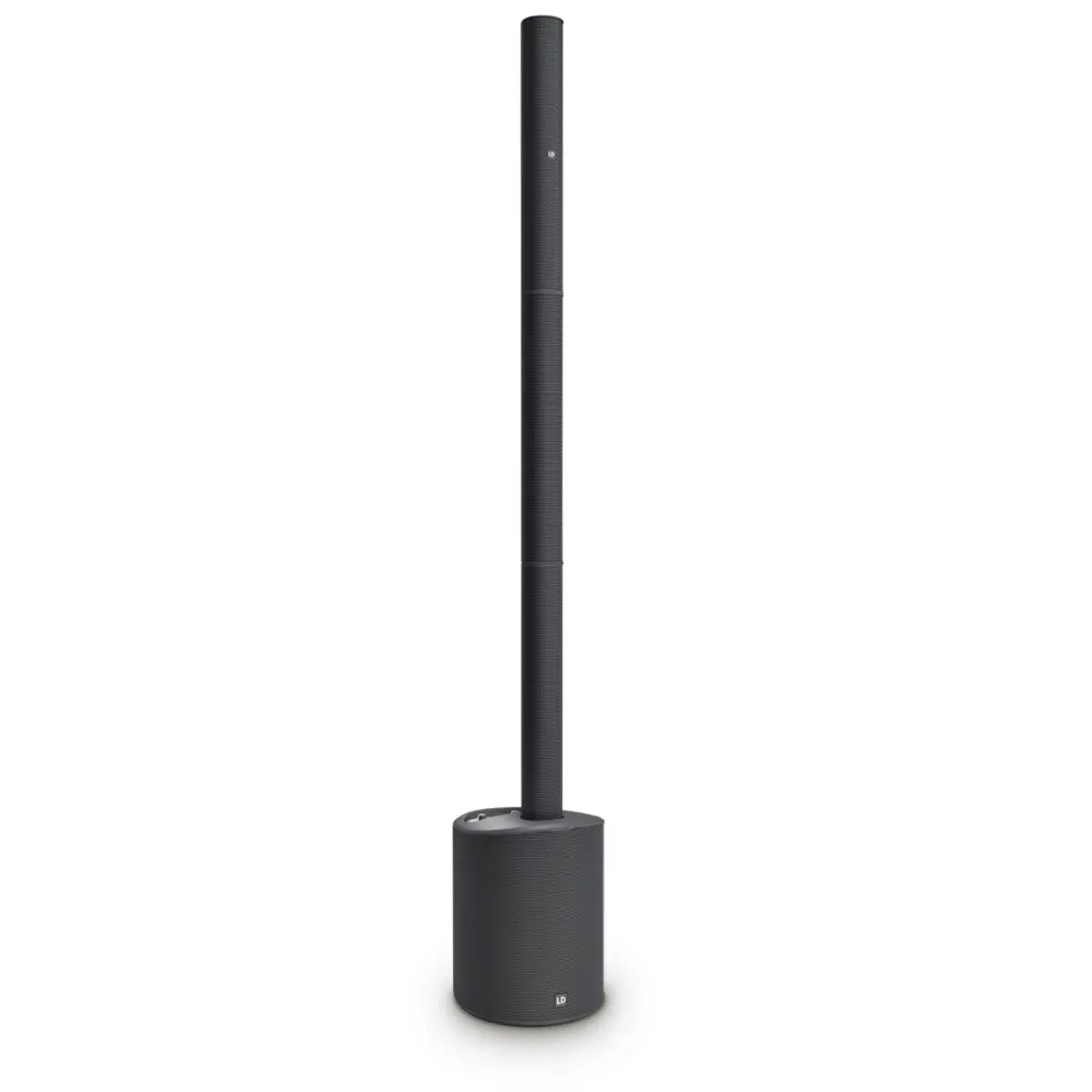
Column arrays are a tall, thin speaker sitting on a subwoofer that contains the amplifier and mixer. The column spreads sound widely and evenly across a room, so the front row is not blasted and the back can still hear, and because it stands behind or beside you, you can hear yourself without a separate monitor. Most break down into two or three pieces that one person can carry. This is now the default choice for pub, café and function gigs.
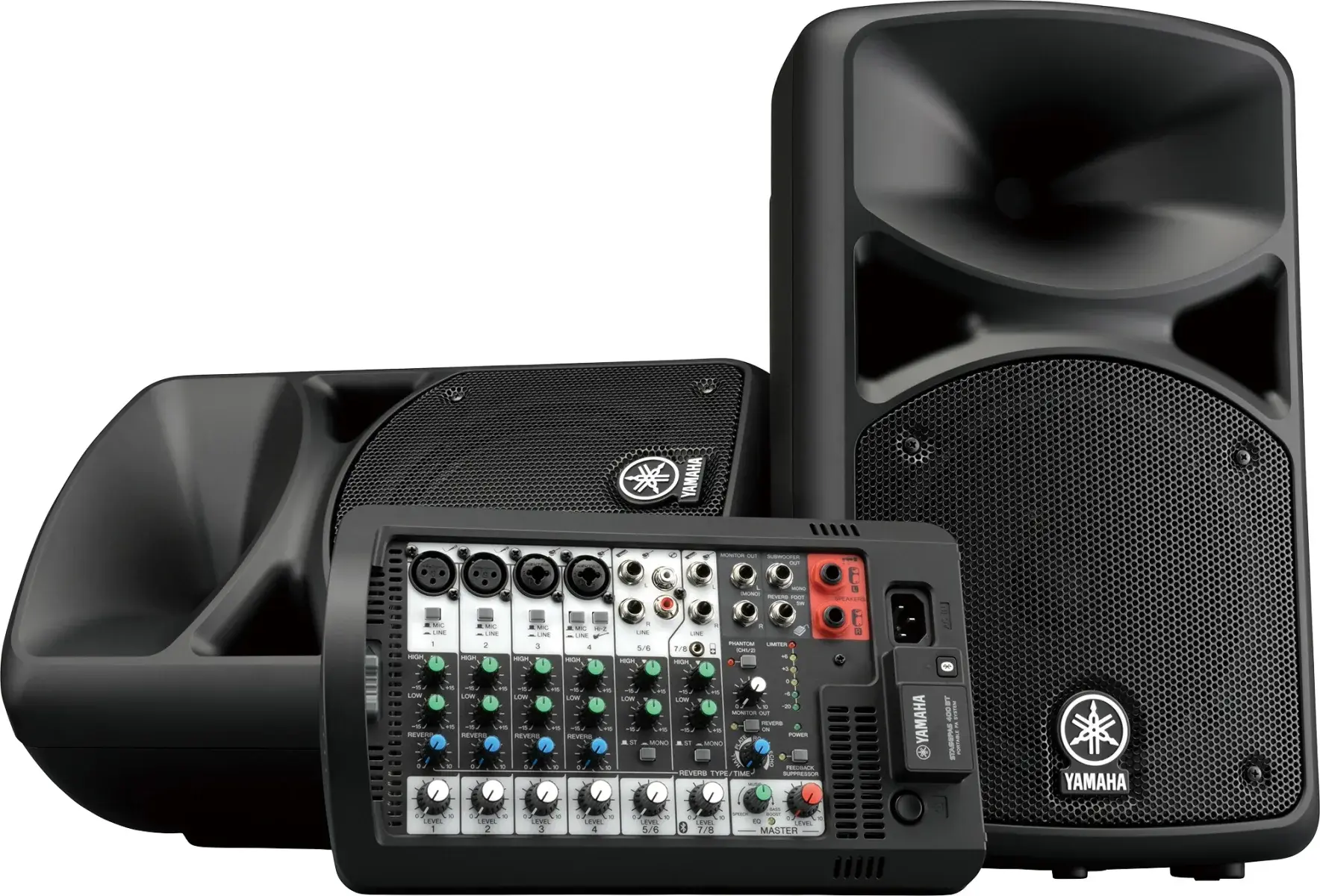
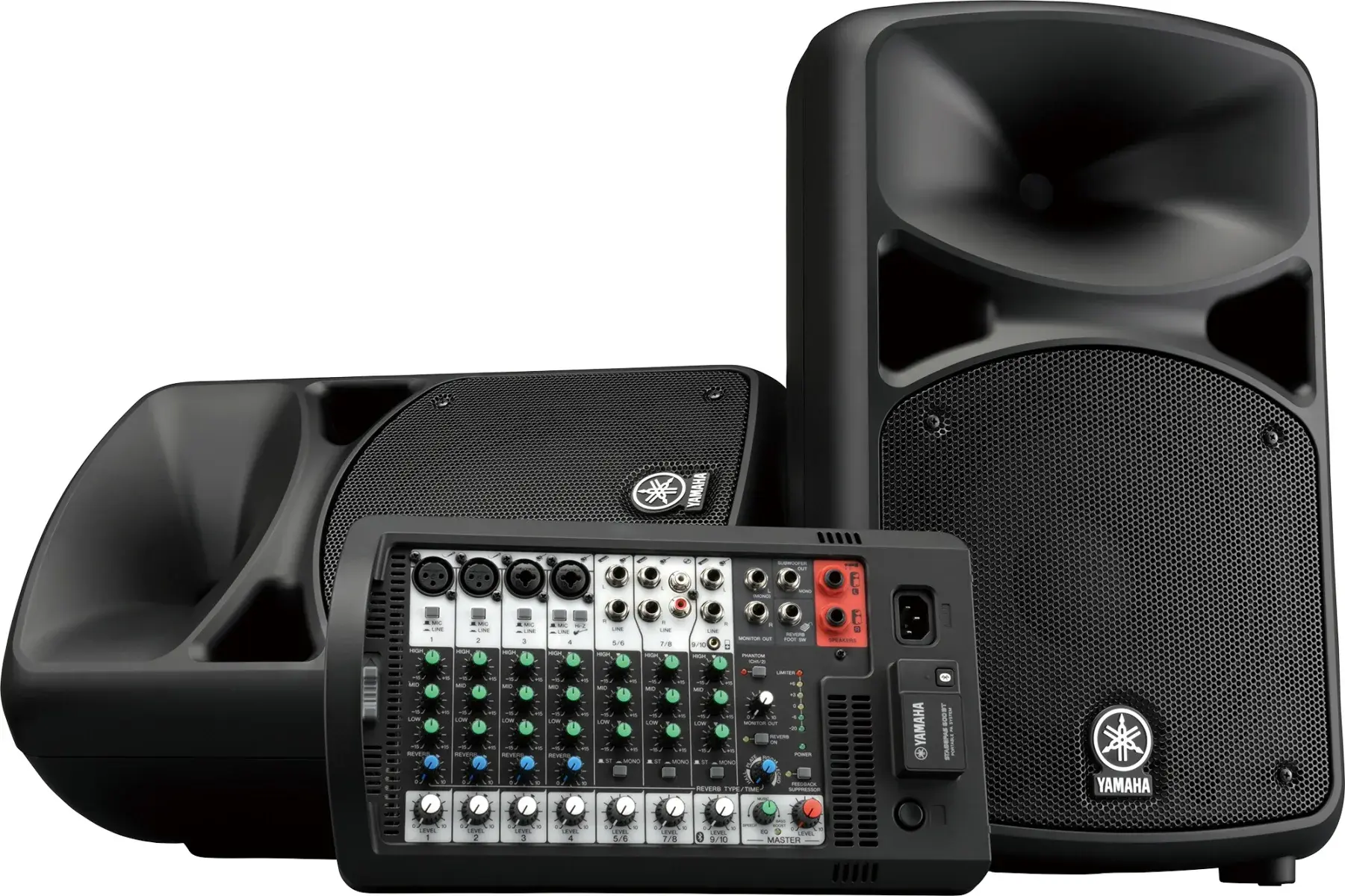
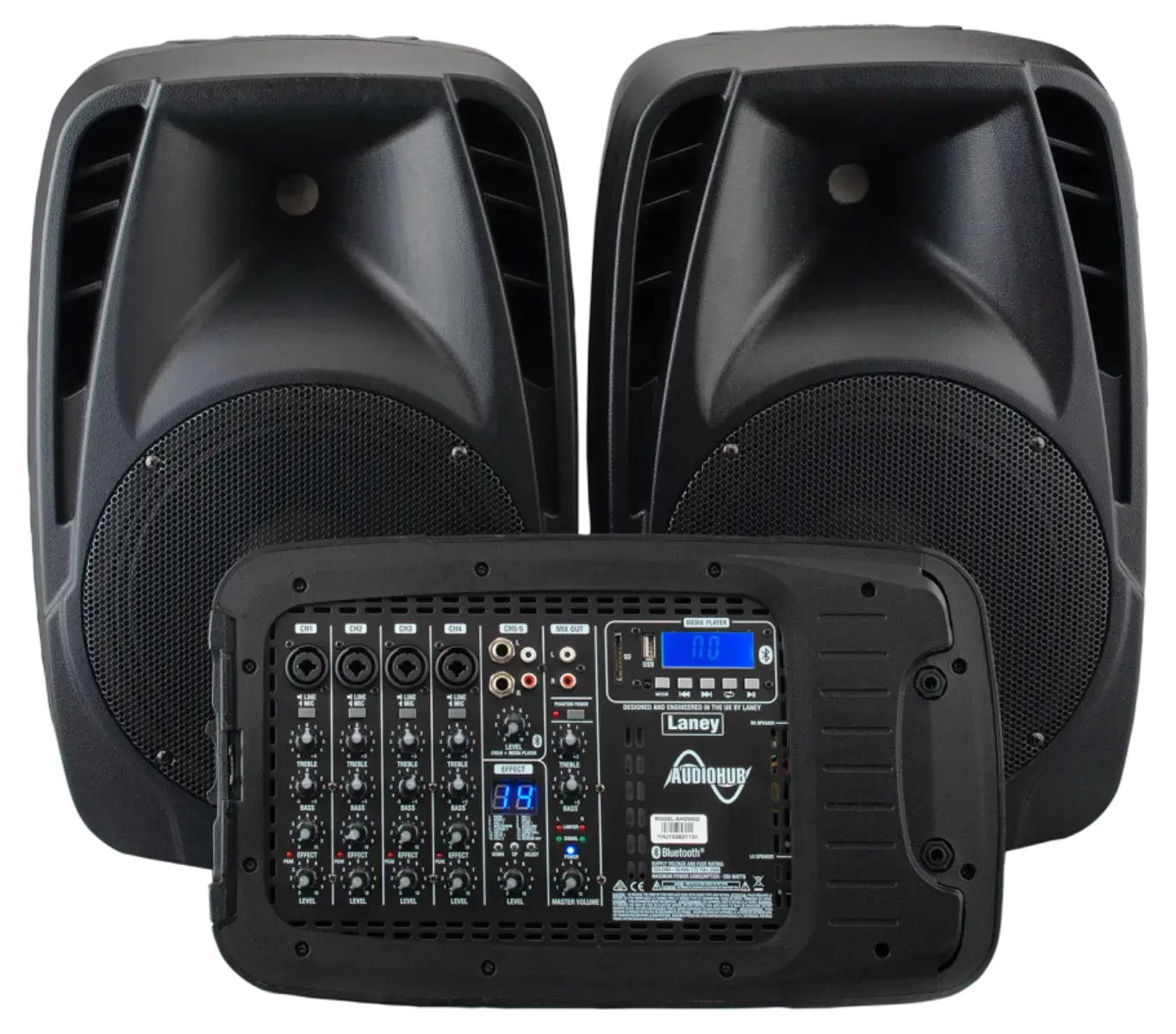
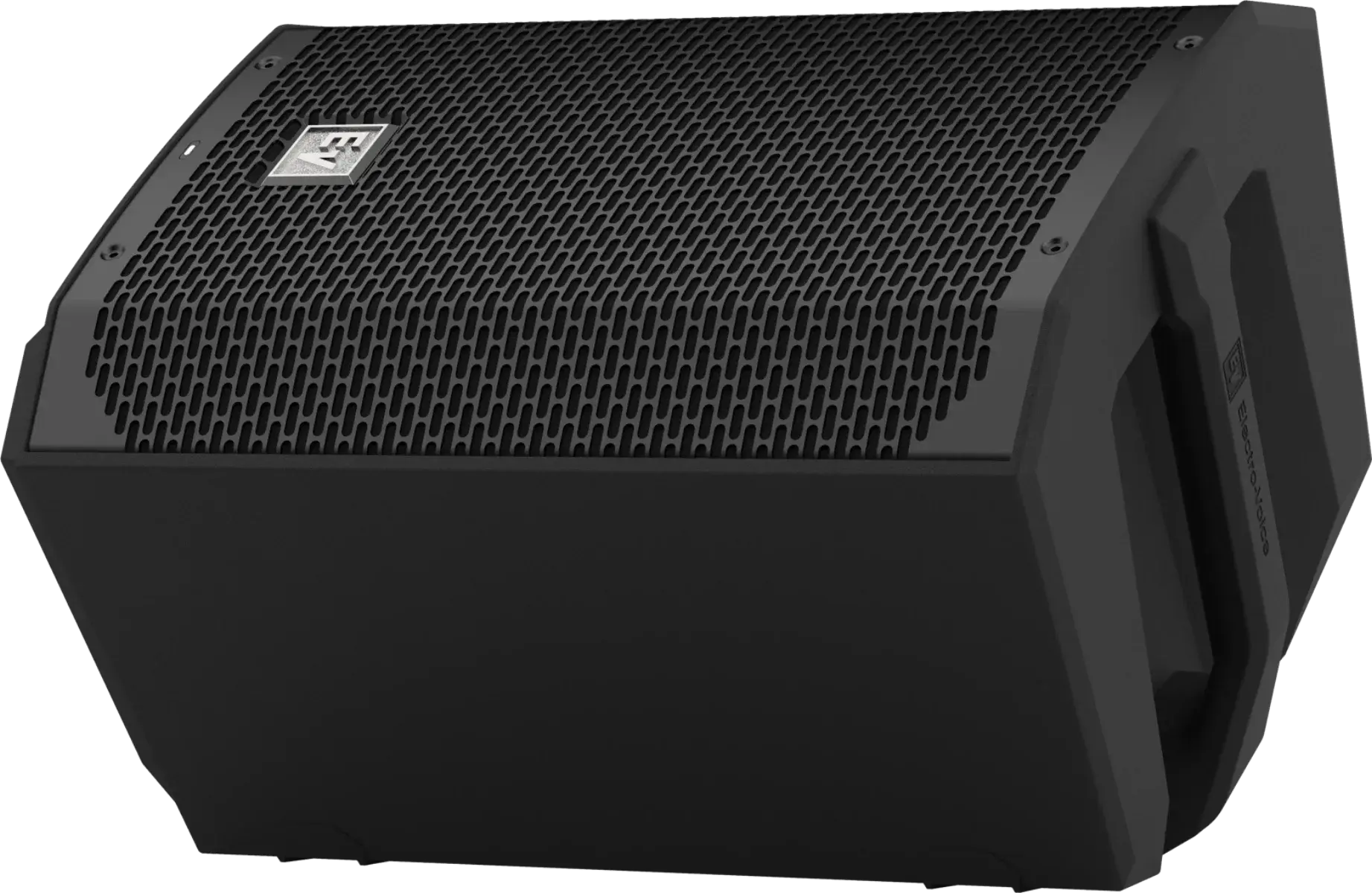
All-in-one PAs are a pair of box speakers with a mixer that clips onto the back of one, packed together like a suitcase. You get a true stereo pair, which helps keyboards and backing tracks, and the speakers can go on stands either side of you. They take longer to set up than a column and you will want a monitor.
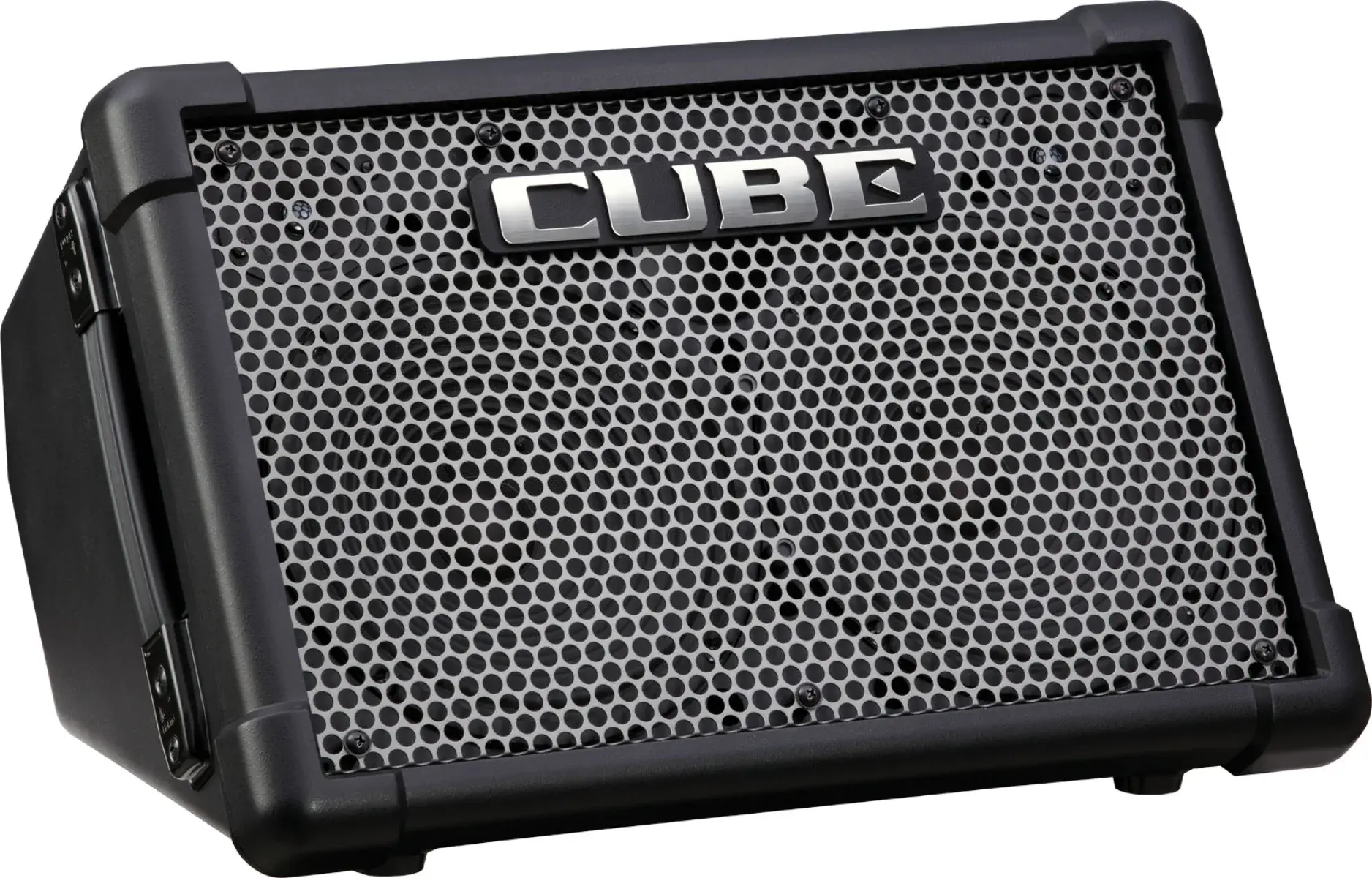
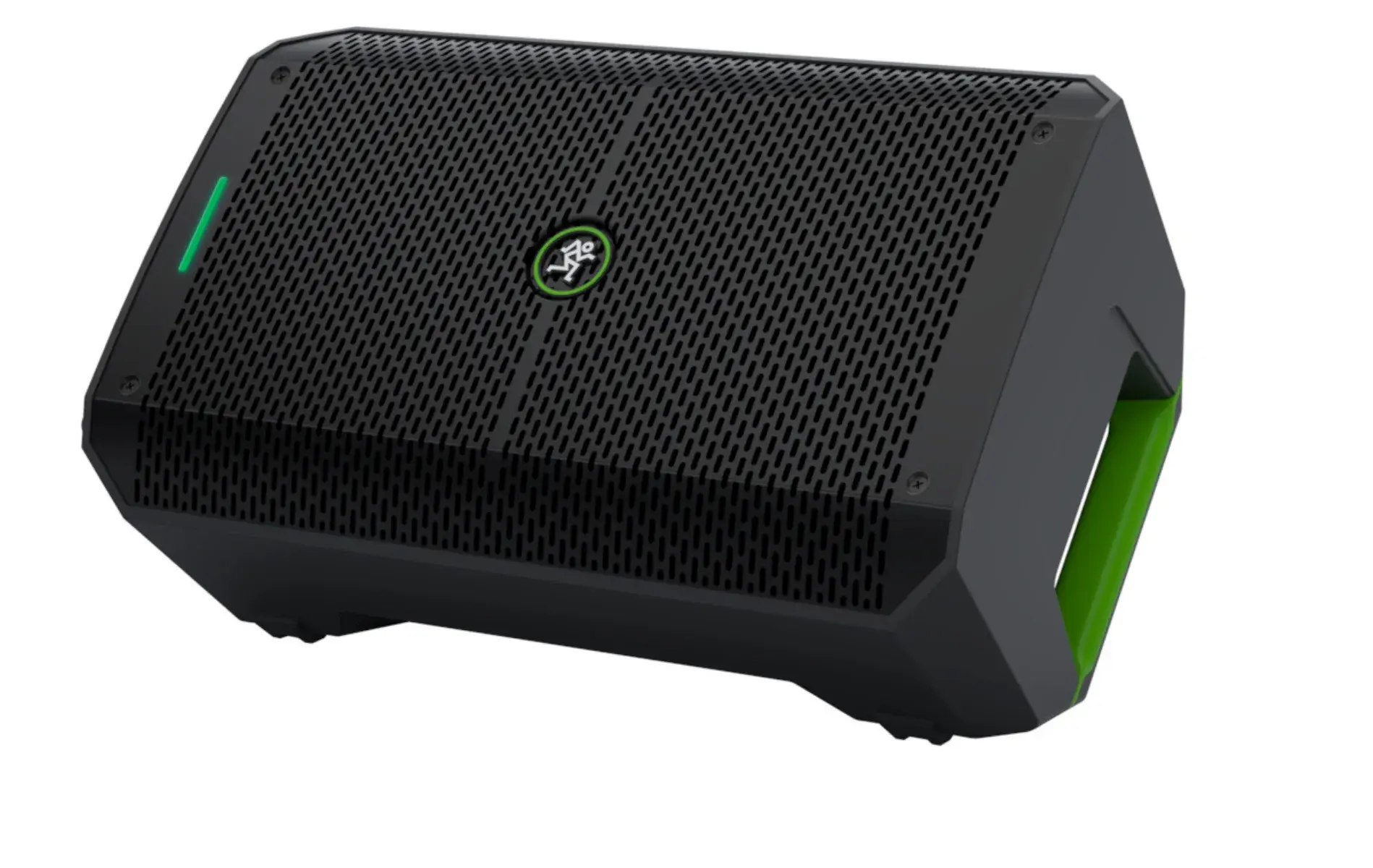
Battery speakers are a single box with a few inputs and a rechargeable battery, built for busking, outdoor ceremonies and background sets where there is no mains or the socket is across the room. They are loud enough for an acoustic set to a small audience, not for a full room on a Saturday night.
How big a PA for which room
Ignore the watts. Makers quote peak, programme and RMS figures interchangeably, so a 2,000 W system is not twice as loud as a 1,000 W one and is often no louder at all. Maximum SPL (sound pressure level, in decibels) is a fairer comparison where it is published, and the size of the woofer or subwoofer tells you most about how much bass it can deliver.
These are rough guides for a solo act or a duo, assuming the audience is there to listen to you rather than to dance:
- Busking, cafés, background sets for up to about 50 people: a battery speaker or a small column with an 8-inch sub (Bose L1 Pro8, LD Systems MAUI 5, Alto TS108C).
- Pubs and function rooms up to about 100–150: a column with a 10- or 12-inch subwoofer (HK Audio POLAR 10 or 12, Electro-Voice EVOLVE 50M, JBL EON ONE MK2, RCF EVOX JMIX8, Bose L1 Pro16).
- Bigger rooms, dancing, or backing tracks with a lot of bass: two columns, one either side, or a larger system with a 12-inch sub. Two smaller columns usually cover a wide room better than one big one.
Hearing yourself
With a column array you usually do not need a monitor: stand slightly in front of and to one side of it and its wide spread reaches you as well as the audience. With box speakers out in front, or as a duo spread across a stage, you need a monitor. The options, in order of cost:
- Point a second, small speaker back at yourself from the PA's monitor or line output (many columns have one).
- Use a small powered wedge fed from a separate mixer's aux send, so it can carry more vocal and less backing track than the main mix.
- In-ear monitors, wired from a mixer's headphone or aux output or through a wireless in-ear system. They also protect your hearing and make keeping in time with backing tracks much easier.
On the night
- Put the PA level with or slightly in front of you and to one side, never behind your microphone and pointing at it. That is how feedback starts.
- Raise the speaker or column so the top is above the audience's heads; sound blocked by the front row never reaches the back.
- Set each channel's gain so the loudest part of the song sits just below the clip light, then use the channel volumes to balance.
- Start with the EQ flat and the PA's own tone preset (most have a 'speech', 'music' or 'live' setting), and only cut what sounds wrong.
- Walk to the back of the room during the first song or ask someone to: it is always quieter and duller there than where you are standing.
- Bring a spare XLR and jack cable, a 3.5 mm cable, a four-way extension lead and a charged battery or charger for the phone.
Three shopping lists
Prices change, so these are about shape rather than money. Click through to compare the current options in each class.
- Busking or acoustic solo, no mains: a battery speaker with three or four channels (Bose S1 Pro+, JBL EON ONE Compact, Roland CUBE Street EX), a dynamic mic, a short stand, and a 3.5 mm cable for tracks.
- Solo pub gig with backing tracks: a column with a 10- or 12-inch sub and at least four channels (HK Audio POLAR 10, Electro-Voice EVOLVE 30M or 50M, JBL EON ONE MK2), the cable chain from your phone above, and nothing else.
- Duo with two singers, guitar and keys: a column with an eight-channel mixer (RCF EVOX JMIX8, Electro-Voice EVOLVE 50M) or two smaller columns fed from a compact separate mixer, plus monitors or in-ears for both of you.